
The Calculated World of Robotics: Algebra in Motion
In the dynamic realm of robotics, algebra isn't just a subject; it's the cornerstone of innovation and functionality. Robots, the marvels of engineering, are embodiments of mathematical principles, brought to life through circuits and code. Whether it's a robot exploring the depths of space or one assembling products in a factory, algebra is pivotal in every movement and decision. Let's dive into the fascinating ways in which algebra plays a vital role in the world of robotics.
Kinematics and Motion Planning
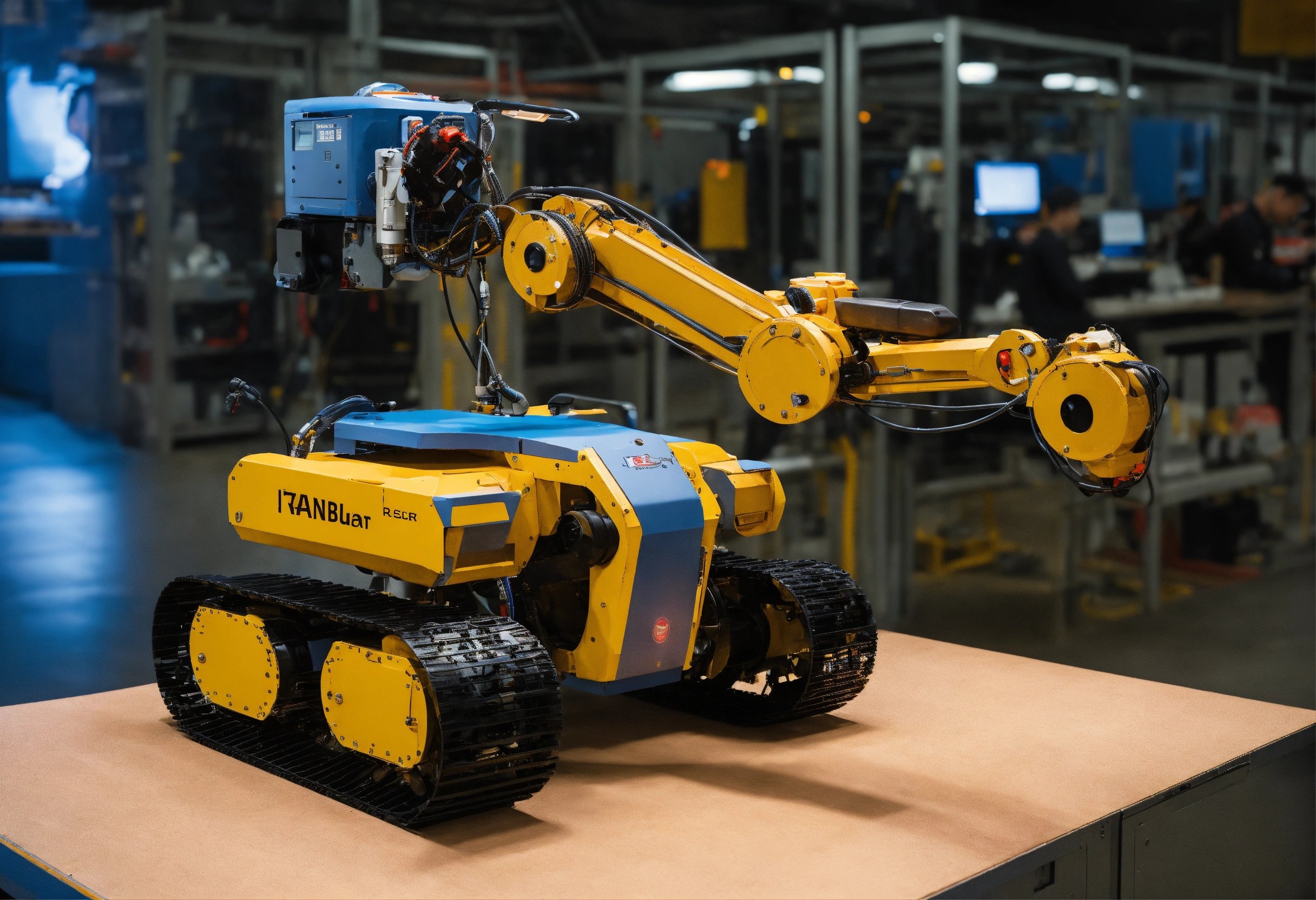
Robots are designed to move and interact with their environment. Kinematics, the study of motion without considering forces, is heavily algebraic. Algebraic equations define the relationship between the robot's joint parameters and its position in space. Inverse kinematics involves using algebra to calculate the necessary angles and rotations for the robot's limbs to achieve a desired position, ensuring smooth and purposeful movement.
Sensor Data Interpretation
Robots rely on sensors to perceive their surroundings. These sensors generate data that represent physical quantities like distance, speed, and temperature. Algebraic equations and algorithms process this sensor data, translating it into meaningful information that the robot can use to make decisions, navigate, or perform tasks.
Pathfinding and Navigation
In navigating their environment, robots use algebraic algorithms to find the optimal path from point A to point B. Techniques like the A* algorithm involve algebraic calculations to evaluate and choose the path that minimizes time, conserves energy, or avoids obstacles, depending on the robot's objectives and constraints.
Control Systems
Control systems are the brains of a robot, dictating how it responds to inputs and achieves its goals. Algebraic equations in control systems ensure stability and responsiveness. For instance, a robotic arm's movements are controlled by equations that balance factors such as speed, force, and direction, allowing precise and accurate operations.
Signal Processing
Robots often communicate and operate through signals, be it for controlling motors, interpreting sensor data, or communicating with other machines. Algebra is used in signal processing to filter noise, interpret signal patterns, and translate these signals into actions or responses, ensuring effective communication and operation.
Machine Learning and Adaptation
More advanced robots use machine learning to adapt to new situations and improve over time. Algebraic models underpin these learning algorithms, allowing robots to identify patterns, make predictions, and refine their behavior based on experience, much like learning from trial and error.
Conclusion
In the intricate dance of gears and algorithms that is robotics, algebra is the hidden rhythm. It's a field where theoretical math meets tangible action, creating machines that can move, sense, and even think. From the basic principles of motion to the advanced algorithms of machine learning, algebra is the language spoken by every robot. In this exciting intersection of mathematics and technology, algebra proves that it's not just about solving for 'x'; it's about unlocking a world where robots extend the capabilities of humanity, one calculated movement at a time.
Hello! I'm Kathryn…

For over two decades, I have dedicated my life to dispelling the myth that math is mere magic. It's a journey that has taken me from the classrooms to the digital realm, where I've proudly served as the creative force behind YouTube's picrustable, simplifying complex mathematical concepts into digestible content for learners worldwide.
Beyond the screen, I have crafted an extensive array of both free and premium worksheets, meticulously designed to not only teach but also to ignite the curiosity and imagination of students. My approach is rooted in the belief that learning math should be an adventure—one filled with real-world applications, creative challenges, and even a touch of whimsy to make every number and equation resonate with real life.
Through my work, I aspire to continue infusing the world of mathematics with creativity, making it an accessible, enjoyable, and profoundly rewarding experience for learners of all ages and backgrounds. Join me on this extraordinary journey as we explore the universe of numbers and discover that in math, as in life, the possibilities are infinite.
Disclosure: This post may contain affiliate links, which means we may receive a commission if you click a link and purchase something that we have recommended. While clicking these links won't cost you any extra money, they will help us keep this site up and running. Thank you for your support!
My mission is to demystify mathematics and reveal its beauty and practicality to a diverse audience. I strive to provide an engaging platform that offers valuable resources, insightful content, and practical applications of math in various aspects of life. "It's no magic, it's math" is committed to fostering a community where learning math is not just educational but also fun and immensely rewarding.
Quick links
Created with © systeme.io